You Think You Have It Hard?

A reality check for kids who complain about chores.

Your Daily "Hardships"

  • Putting away laundry Clean clothes that a machine washed, a machine dried, and your mother folded for you. You just put them in a drawer.
  • The dishes Loading a dishwasher. Not scrubbing them in a river. A machine.
  • Taking out the trash Moving 2 bins to the curb. Once a week.
  • Throwing away your own trash Walking to a trash can that is already in your house.
  • Keeping your room clean In a room you have entirely to yourself. With a bed, a desk, and a closet.
  • Daily hygiene Brushing your teeth, cleaning your body, taking your medicine. Things that keep you healthy.

Your Grandparents' Childhood

  • Before 5 AM Wake up. Feed the animals. Muck out stalls by hand — shoveling manure.
  • Morning to dark Work the fields alongside adults. Plowing, sowing, weeding, or harvesting.
  • No days off No weekends. No summer break. Sundays off for church — but the animals still needed feeding.
  • No excuses If you didn't work, the family didn't eat. There was no one else to do it.
  • This wasn't ancient history Kids were living this exact life on American farms in the 1950s and 60s. Ask your grandparents.

And If You Don't Listen?

  • Over 130 countries still have no laws against beating children at home. Sticks, belts, canes — legal and normal.
  • In parts of Africa and South Asia disobedient children are pulled out of school and sent to work. Your punishment is losing your education permanently.
  • Street children There are an estimated 100 million children living on the streets worldwide. Many were thrown out of their homes or ran from abuse.
  • In the United States over 400,000 children are in foster care right now. Many were removed from homes where discipline meant broken bones, burns, and hospital visits.
  • Millions of American kids live in homes where the consequence for talking back is not losing a screen — it's getting hit. And they can't tell anyone.

The Factory Floor

By the early 1800s, children as young as 5 worked in textile mills. Fourteen-hour shifts. Six days a week. "Scavengers" — kids aged 6 to 10 — crawled under running machines to collect loose cotton while the gears were still spinning. Overseers beat children who sat down or slowed their pace.
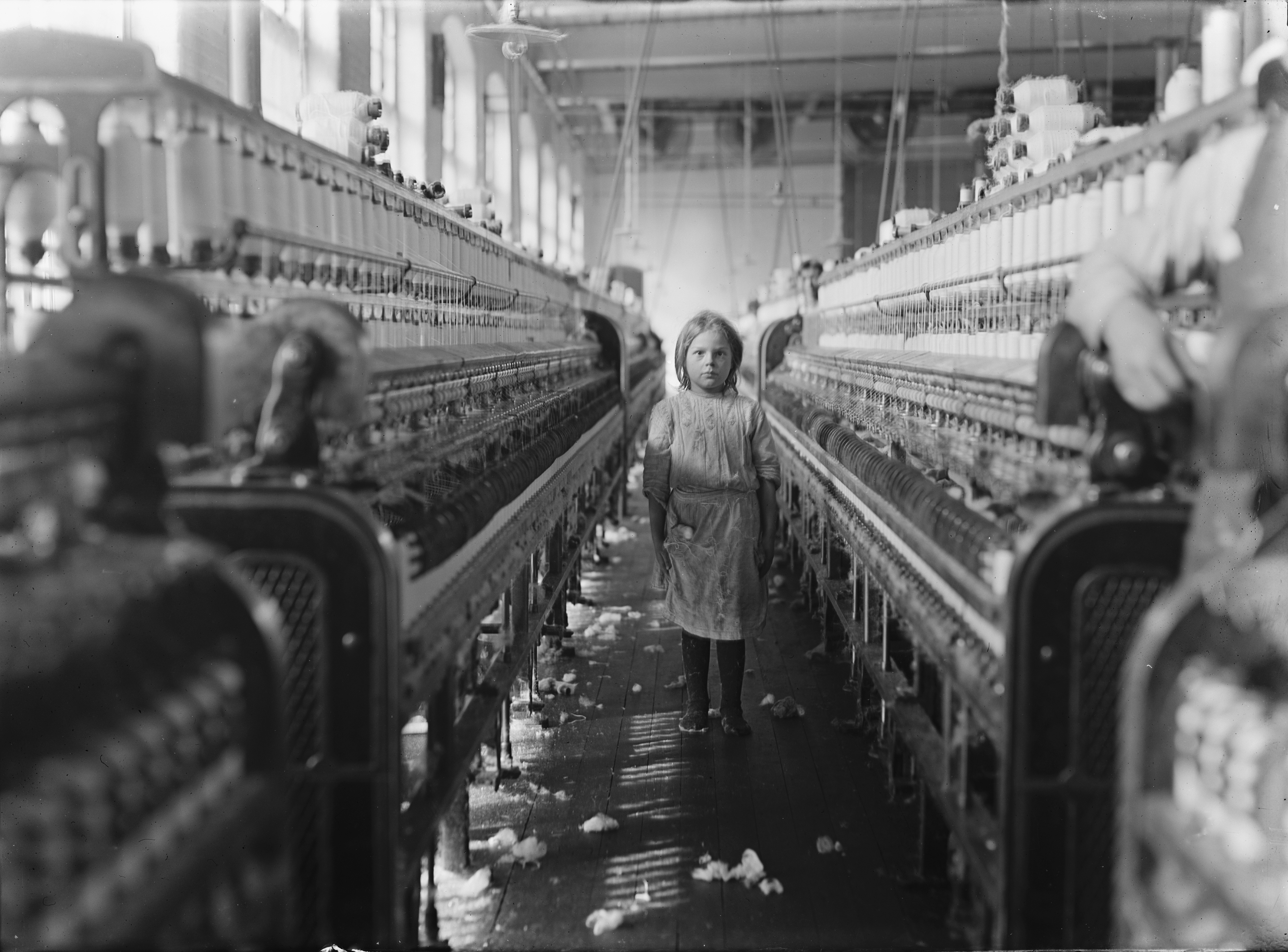
Lewis Hine photograph of a young girl working as a spinner in a cotton mill, 1908

The Coal Mines

Children as young as 5 worked underground in coal mines. "Trappers" — the youngest kids — sat alone in total darkness for 12 hours straight, opening and closing ventilation doors when coal carts came through. No candle. No light. Just darkness, silence, and rats. Older boys crawled on hands and knees through tunnels only 2 to 3 feet high, pulling coal carts with chains around their waists. The chains wore the skin off their legs.

Breaker boys covered in coal dust at a mine in South Pittston, Pennsylvania, 1911

The Frontier

A 10-year-old pioneer boy in 1840s America could split firewood with an axe, plow a field, butcher an animal, and ride a horse. Not because he wanted to. Because his family would starve if he didn't. His day started at 5 AM hauling 40-pound buckets of water from the well. He worked the fields until noon. Spent the afternoon chopping wood, mending fences, and tending livestock. A colonial home burned 30 to 40 cords of firewood a year — every stick of it cut, split, and stacked by hand. And you complain about some light writing in your PDFs.

A young boy driving cattle to town in Lawton, Oklahoma, 1917

That Was Then.

But don't think this is just a history lesson. Right now — today — 160 million children are working worldwide.

Your Devices

40,000 children mine cobalt in the Democratic Republic of Congo — the mineral inside every rechargeable battery you own. Your iPads. Your Nintendo Switches. Your Xbox. Your Quest 3. Your computers. They crawl into hand-dug mine shafts, carry heavy sacks of ore on their backs, and sort rocks with bare hands. No gloves. No masks.
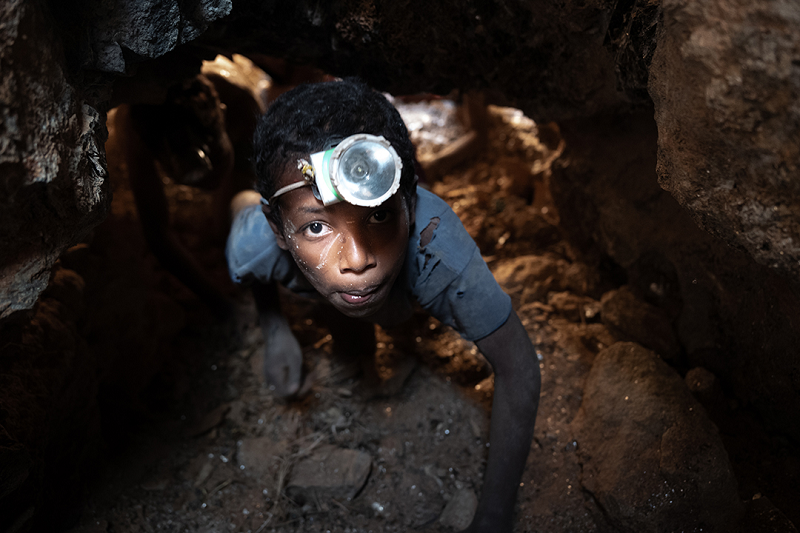
Children working in a cobalt mine

Your Chocolate

1.56 million children work in cocoa fields in Ghana and Cote d'Ivoire — the two countries that produce 60% of the world's cocoa. Kids as young as 5 carry heavy loads, spray pesticides, and swing machetes to crack open cocoa pods. 95% of them are doing work classified as hazardous.
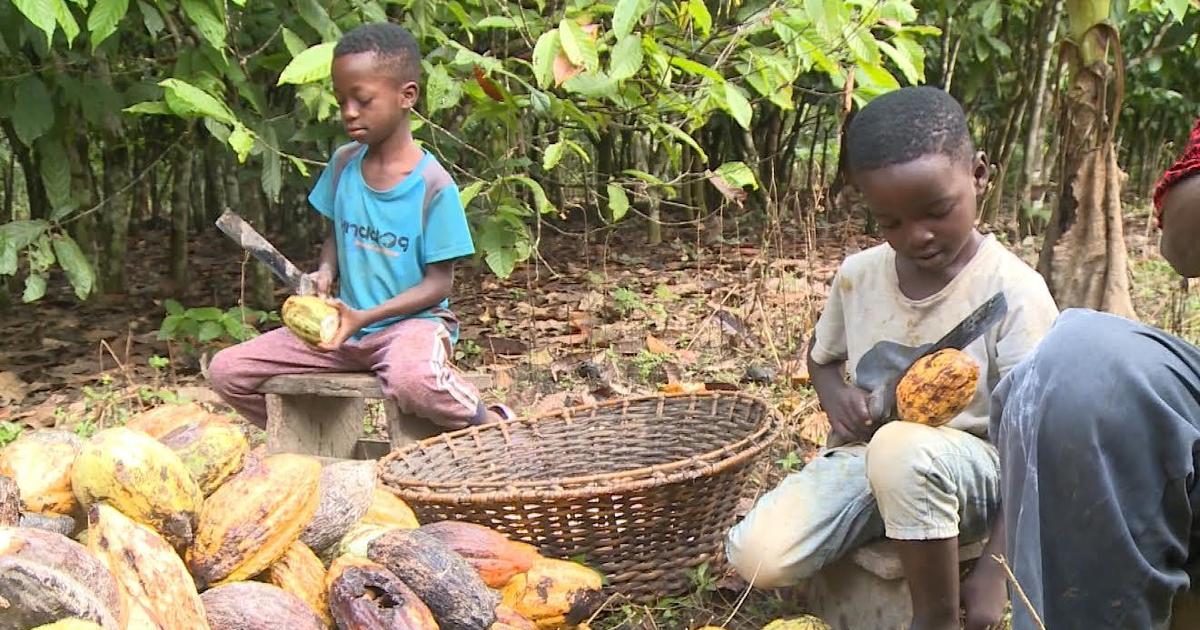
Children working in a cocoa field

Your Clothes

In Bangladesh, children as young as 8 work in garment workshops — sewing, cutting threads, and ironing. Twelve to fourteen hours a day. Six or seven days a week. In the leather tanneries of Dhaka, kids as young as 10 handle toxic chemicals with bare hands, dyeing and treating the leather that becomes boots, belts, and bags.
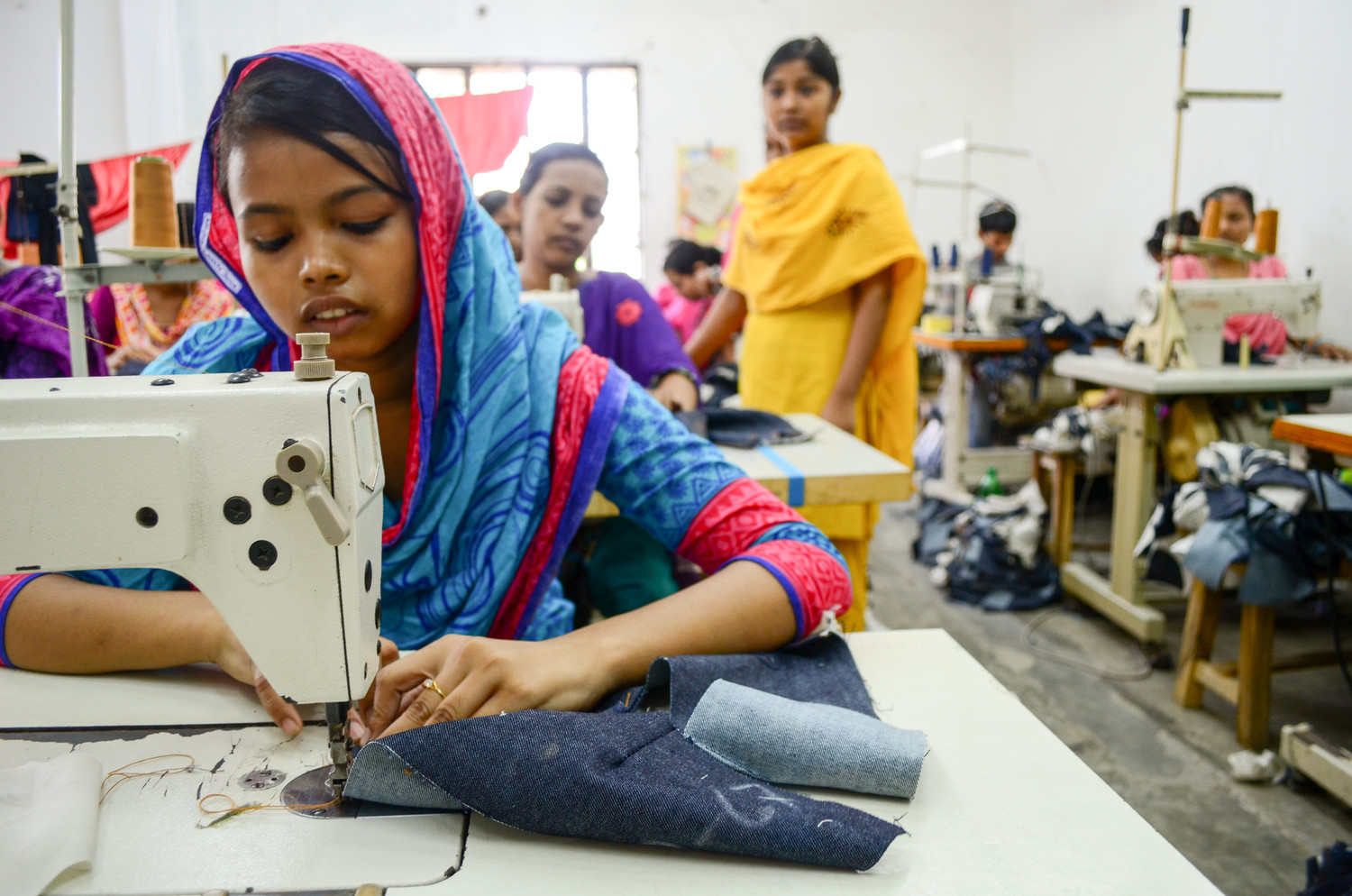
A child working at a sewing machine in a garment factory

In Your Own Country

It's not just history. It's not just faraway countries. Right here in the United States, today, children struggle in ways you would never dream of.

300,000 Kids in American Fields

Over 300,000 children work in US agriculture every year. Kids as young as 12 pick tobacco in 100-degree heat for 10-hour shifts. This is legal. A loophole in federal law from 1938 exempts farms from child labor protections. Children as young as 12 can legally work on farms with parental consent. There is no minimum age on family farms. Children as young as 7 have been documented working in US tobacco fields, suffering nicotine poisoning from handling the leaves.
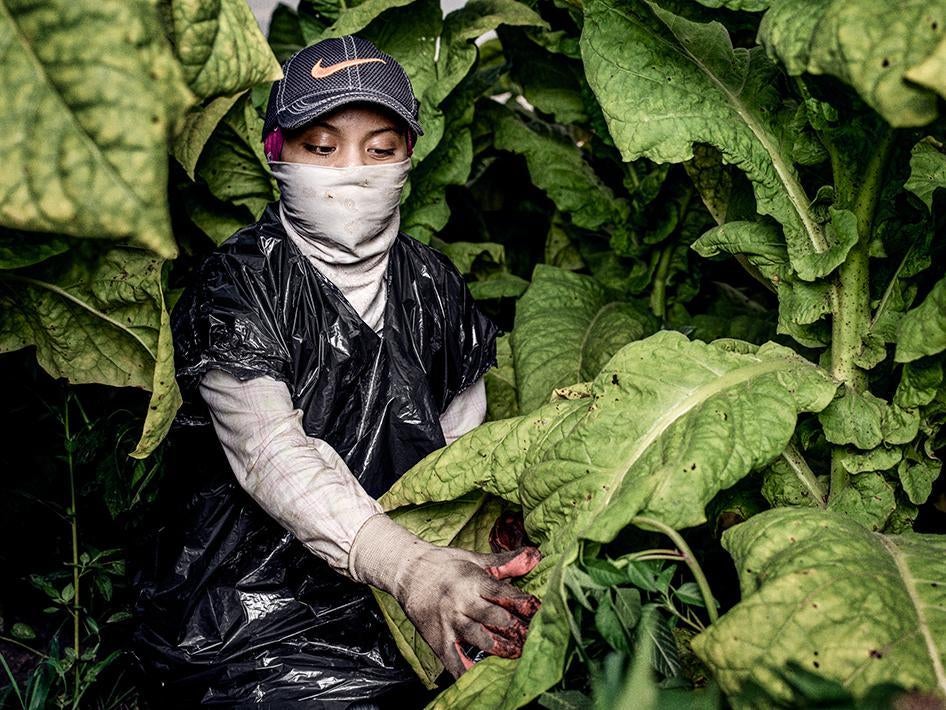
A child working in a US tobacco field

Cleaning Slaughterhouses at 2 AM

In 2023, 102 children — ages 13 to 17 — were found working overnight shifts cleaning slaughterhouse equipment with caustic chemicals. In 13 states. In America. Several children suffered chemical burns and injuries. Some were cleaning the kill floor. The same year, the Department of Labor reported a 69% increase in child labor violations. Over 5,800 children were found illegally employed in a single year.
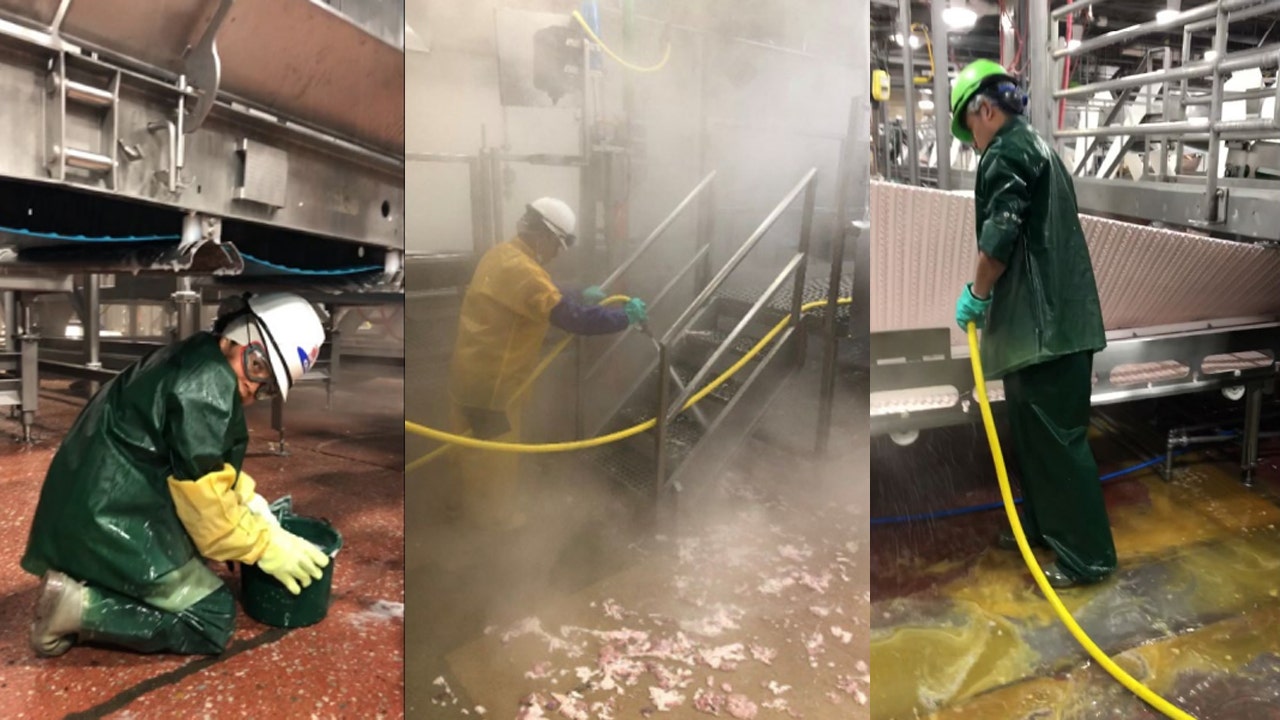
Children found working illegally in US meatpacking plants

What 10-Year-Olds Were Expected to Do

  • Ancient Egypt, 2000 BC Work in fields or mines. Dig irrigation channels. Haul grain at harvest.
  • Sparta, 500 BC Three years into military combat training. Sleep outdoors. Fight other boys.
  • Medieval Europe, 1200 Full farm labor, dawn to dusk. Or three years into a craft apprenticeship, living away from home.
  • Industrial England, 1820 14-hour factory shifts, six days a week. Standing the entire time.
  • Pioneer America, 1850 Chop wood. Plow fields. Hunt game. Build fences. Butcher animals.
  • Victorian England, 1870 Carry 1,000+ bricks a day. Sweep chimneys. Work in match factories.

And Then There's You.

  • Putting away laundry your mother already folded.
  • Loading a dishwasher.
  • Moving bins to the curb once a week.
  • Cleaning a room you have entirely to yourself.
  • Taking care of your daily hygiene — brushing your teeth, cleaning your body, taking your medicine.

Nobody Is Asking You to Work in a Coal Mine.

We are asking you to fold your clothes, clean up after yourselves, finish your schoolwork, and help around the house. That is not a hardship. That is the lowest possible bar. For thousands of years, every kid your age would have traded everything they had for the life you're living right now. You have a warm house, a full fridge, a free education, and people who love you. You have Nintendo Switches, an Xbox, iPads, desktop computers, VR headsets, a hundred books, and Netflix. That makes you luckier than nearly every child who has ever lived on this planet. The question isn't whether life is hard. It's what you do with how easy you have it.

You Got Lucky.

You were born in the wealthiest country in the history of the world. To a family that is not in poverty. To parents who love you dearly and would do anything for you. The vast majority of children on this planet were not born into that situation. Most never will be. You didn't earn this. You didn't choose it. You just got lucky. The only question that matters is whether you're going to waste it.

Step Up.

Do the hard things. Not because they're hard — because they're easy, and you have no excuse.

1 / 19