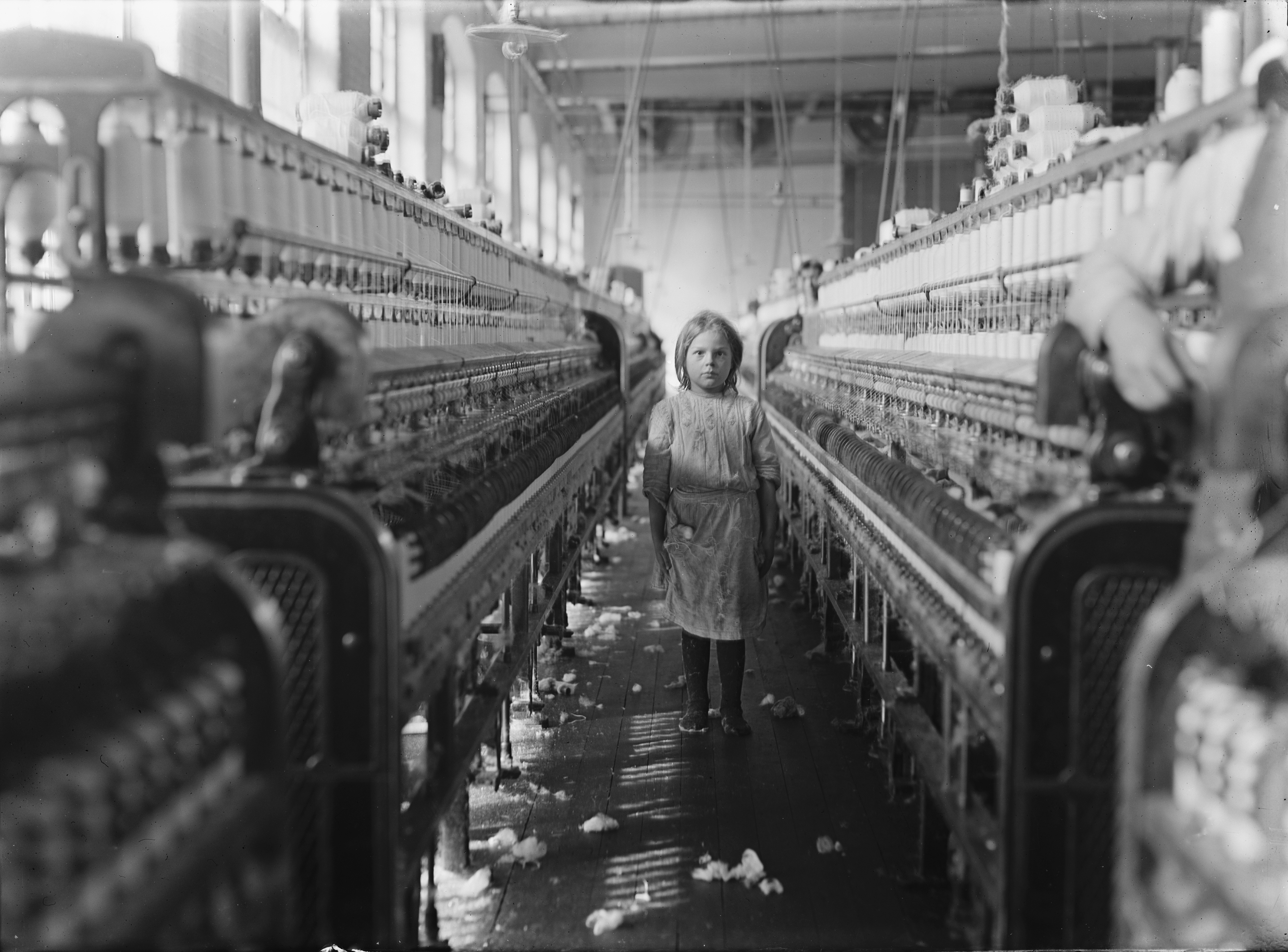
The Factory Floor
By the early 1800s, children as young as 5 worked in textile mills. Fourteen-hour shifts. Six days a week. "Scavengers" — kids aged 6 to 10 — crawled under running machines to collect loose cotton while the gears were still spinning. Overseers beat children who sat down or slowed their pace.
The Coal Mines
Children as young as 5 worked underground in coal mines. "Trappers" — the youngest kids — sat alone in total darkness for 12 hours straight, opening and closing ventilation doors when coal carts came through. No candle. No light. Just darkness, silence, and rats. Older boys crawled on hands and knees through tunnels only 2 to 3 feet high, pulling coal carts with chains around their waists. The chains wore the skin off their legs.

The Frontier
A 10-year-old pioneer boy in 1840s America could split firewood with an axe, plow a field, butcher an animal, and ride a horse. Not because he wanted to. Because his family would starve if he didn't. His day started at 5 AM hauling 40-pound buckets of water from the well. He worked the fields until noon. Spent the afternoon chopping wood, mending fences, and tending livestock. A colonial home burned 30 to 40 cords of firewood a year — every stick of it cut, split, and stacked by hand. And you complain about some light writing in your PDFs.

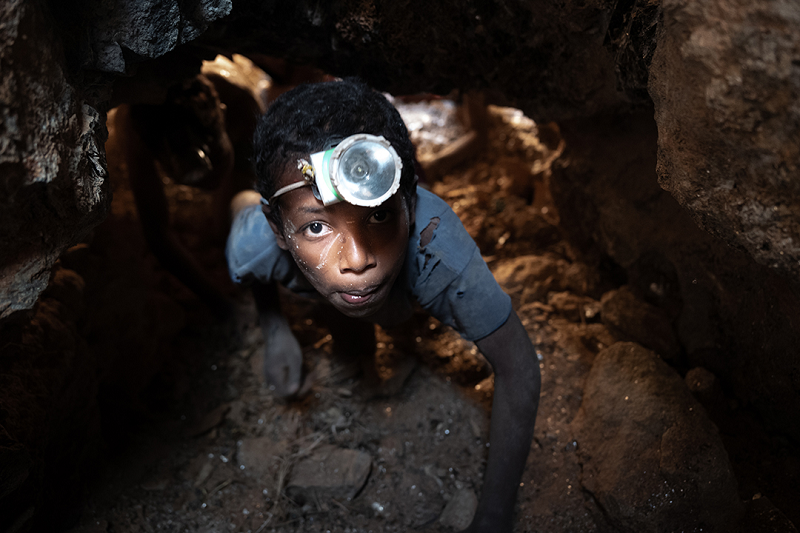
Your Devices
40,000 children mine cobalt in the Democratic Republic of Congo — the mineral inside every rechargeable battery you own. Your iPads. Your Nintendo Switches. Your Xbox. Your Quest 3. Your computers. They crawl into hand-dug mine shafts, carry heavy sacks of ore on their backs, and sort rocks with bare hands. No gloves. No masks.
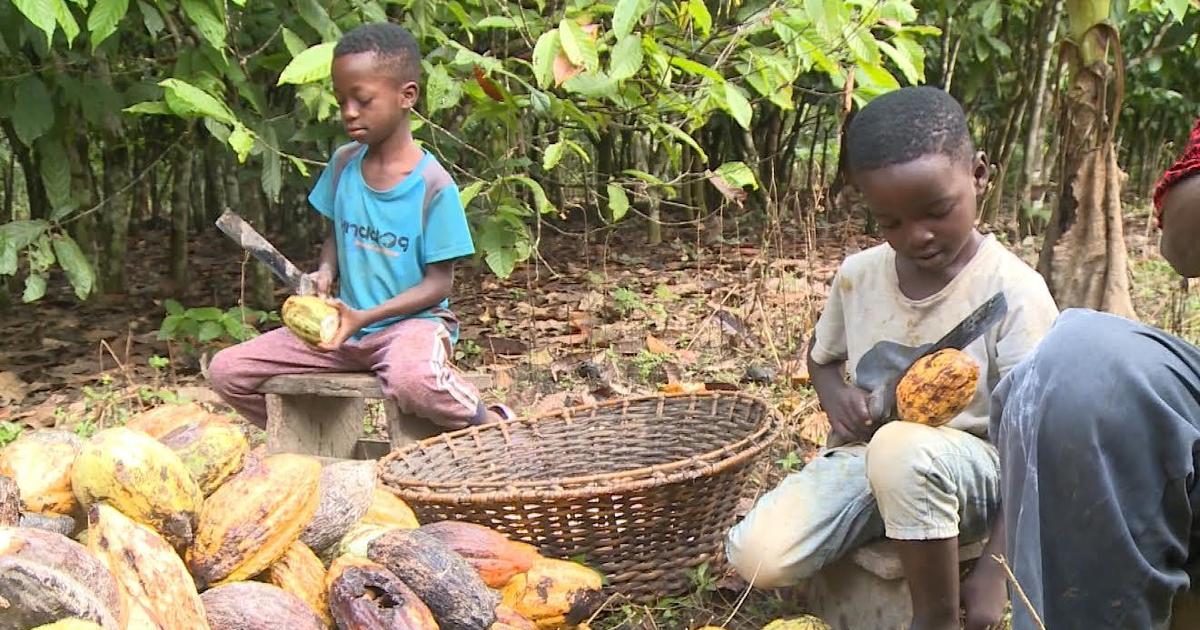
Your Chocolate
1.56 million children work in cocoa fields in Ghana and Cote d'Ivoire — the two countries that produce 60% of the world's cocoa. Kids as young as 5 carry heavy loads, spray pesticides, and swing machetes to crack open cocoa pods. 95% of them are doing work classified as hazardous.
Your Clothes
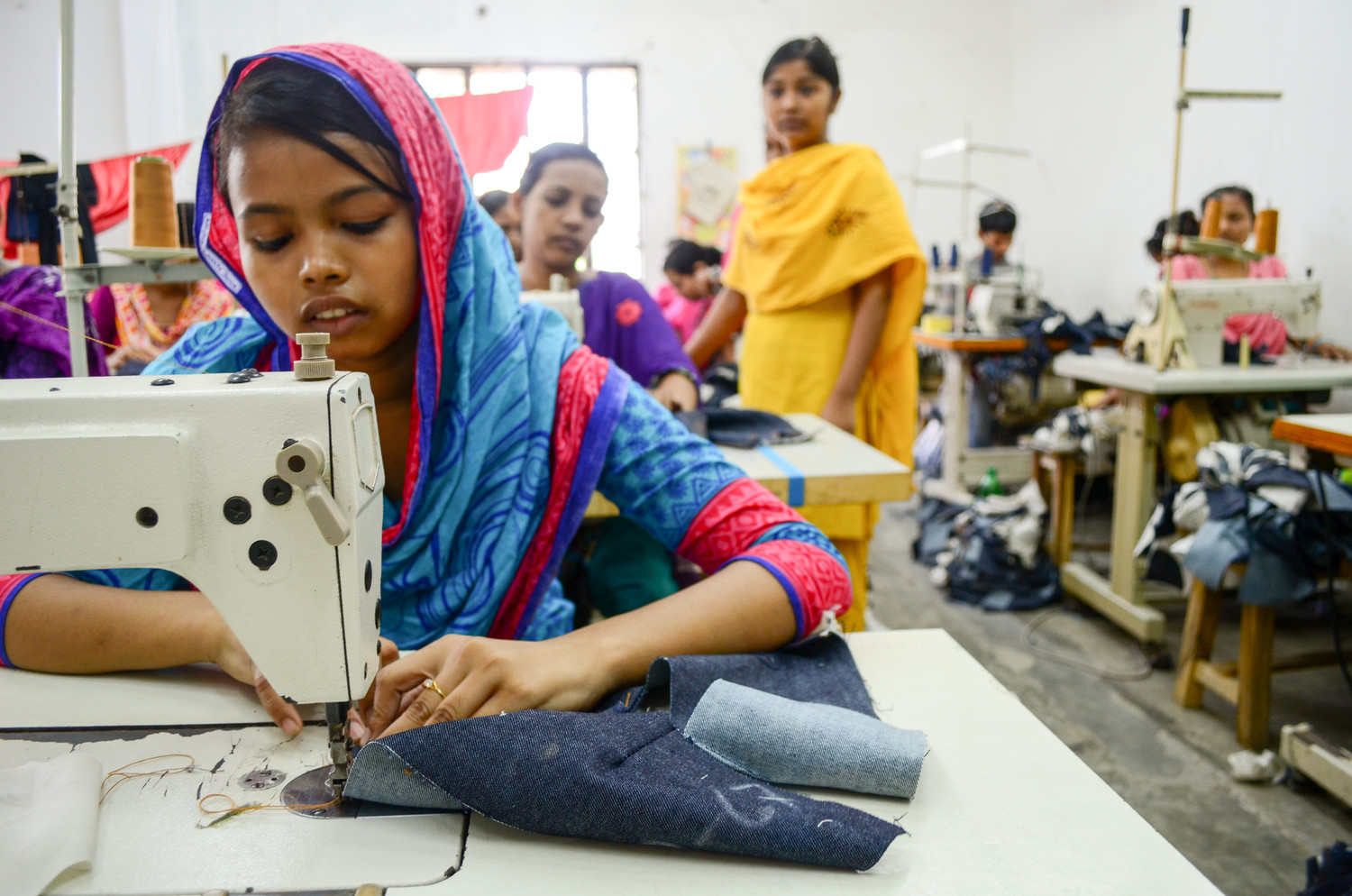
In Bangladesh, children as young as 8 work in garment workshops — sewing, cutting threads, and ironing. Twelve to fourteen hours a day. Six or seven days a week. In the leather tanneries of Dhaka, kids as young as 10 handle toxic chemicals with bare hands, dyeing and treating the leather that becomes boots, belts, and bags.
300,000 Kids in American Fields
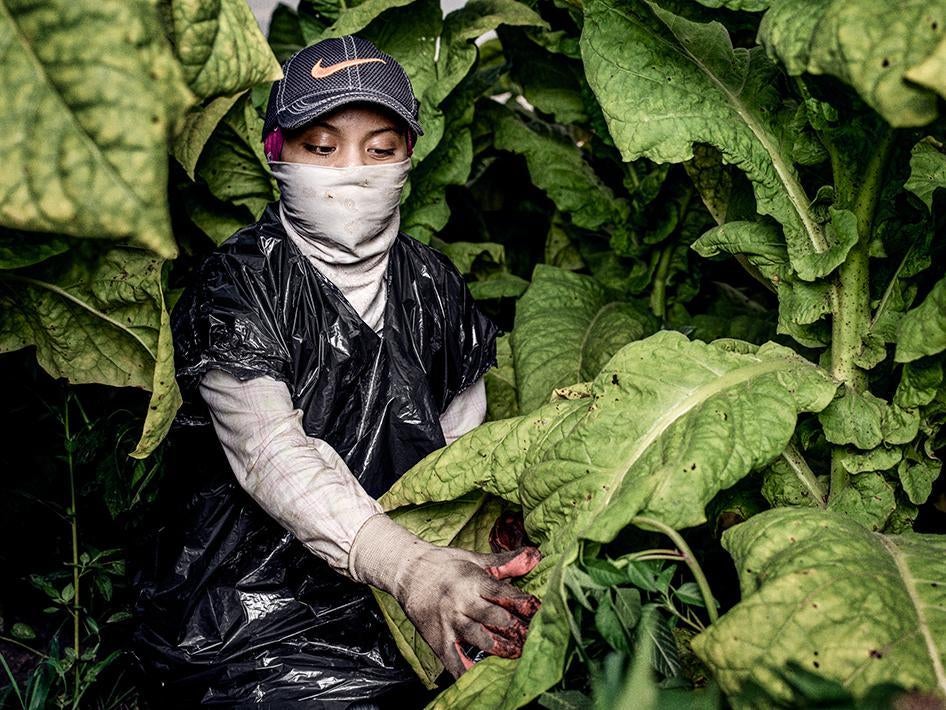
Over 300,000 children work in US agriculture every year. Kids as young as 12 pick tobacco in 100-degree heat for 10-hour shifts. This is legal. A loophole in federal law from 1938 exempts farms from child labor protections. Children as young as 12 can legally work on farms with parental consent. There is no minimum age on family farms. Children as young as 7 have been documented working in US tobacco fields, suffering nicotine poisoning from handling the leaves.
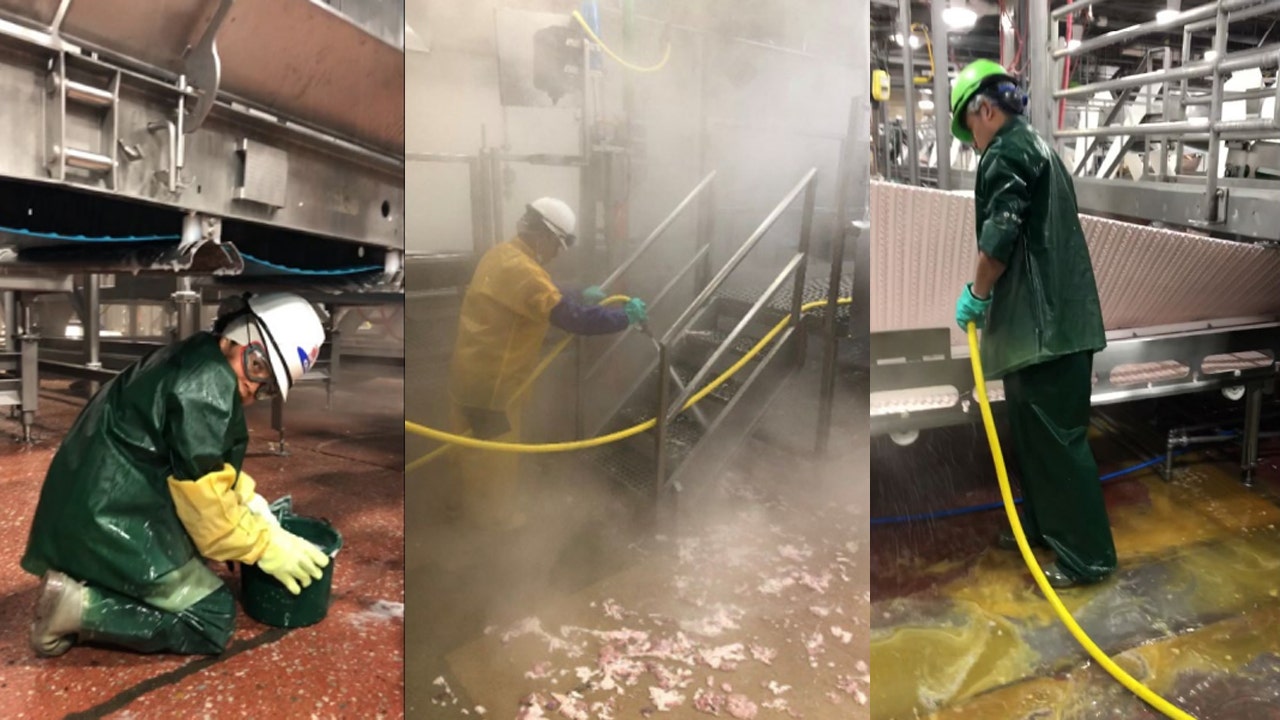
Cleaning Slaughterhouses at 2 AM
In 2023, 102 children — ages 13 to 17 — were found working overnight shifts cleaning slaughterhouse equipment with caustic chemicals. In 13 states. In America. Several children suffered chemical burns and injuries. Some were cleaning the kill floor. The same year, the Department of Labor reported a 69% increase in child labor violations. Over 5,800 children were found illegally employed in a single year.